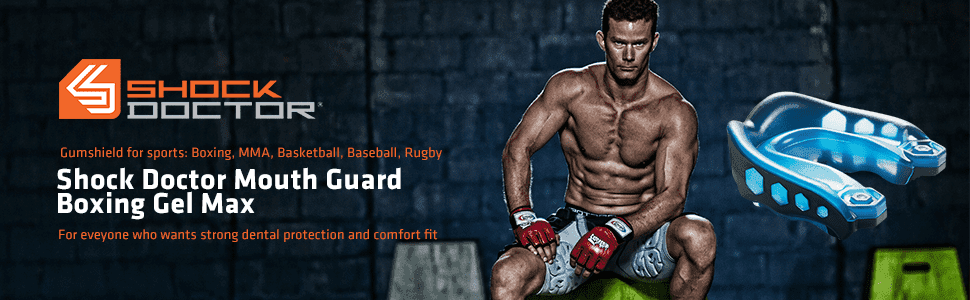
The Best BJJ Mouthguards: Top Picks, Types and Fitting Guide
Honest guide to the best BJJ mouthguards: top picks (Shock Doctor, Venum, Under Armour, more), types explained, fitting tips and how to make one last.
A mouthguard is one of the cheapest pieces of BJJ kit you will buy and one of the most important. A stray elbow, a partner's knee in a scramble, or your own jaw clamping shut under pressure can cost you a tooth (or a few thousand pounds in dental work). This guide covers the top picks, the different types, and how to fit and maintain one so it actually lasts.
Quick verdict
- Best overall: Shock Doctor Gel Max Convertible. Around $20, strong protection, comfortable fit, breathes well.
- Best for grappling-first practitioners: Venum Challenger. Low profile, large breathing channel, easy to mould. See our full Venum Challenger review.
- Best for full-contact MMA / striking: A custom dentist-made guard. None of the boil-and-bite options match it for impact protection.
- Best budget pick: Nxtrend Sports. Cheap, decent fit, good for backup or new starters.
Top picks for BJJ
Shock Doctor Gel Max Convertible
The default recommendation for most BJJ practitioners. Heavy-duty Exoskeletal Shock Frame on the outside, Gel-Fit Liner on the inside that moulds to your teeth. Integrated breathing channels and a removable tether that lets you use it with or without a strap. Compatible with braces and available in youth and adult sizes.
- Price: Around $20.
- Best for: Everyday BJJ training, MMA crossover, anyone who wants one mouthguard that handles most things.
- Trade-offs: Slightly bulkier than minimalist grappling-specific guards. Slightly harder to talk through than the Venum Challenger.
Venum Challenger
Popular grappling-specific mouthguard. Low-profile design, dual-layer construction (soft gel inner, rigid outer), large central breathing channel. The flattest, least intrusive guard on this list, which makes a real difference over a long training session.
- Price: Around $13 to $20 on Amazon.
- Best for: Pure grappling. BJJ practitioners who hate feeling a chunky guard in their mouth.
- Trade-offs: Not as much protection as the heavier Shock Doctor for full-contact striking. See our full Venum Challenger review for the long-form take.
Under Armour ArmourFit
A solid all-rounder with a high-impact resistant body and a custom-moulded inner. Designed with a built-in breathing channel and a low-profile form factor that does not feel oversized.
- Price: Around $25 to $35 on Amazon.
- Best for: People who want the ArmourBite jaw alignment feature (claimed to help with breathing and performance, though the science is mixed).
- Trade-offs: Higher price than the Shock Doctor for similar real-world performance.
Nxtrend Sports
The budget pick. Soft, flexible material that moulds easily, decent protection, very low price. Not as durable as the premium options but fine as a backup or for someone testing the waters with BJJ.
- Price: Under $15.
- Best for: Backup mouthguard, first-time BJJ student, kids' first guard.
- Trade-offs: Shorter lifespan, less impact protection.
Adidas Adizero 5-Star
Adidas's grappling and contact-sport mouthguard. High-impact material with a custom-mouldable design and a built-in breathing channel.
- Best for: Brand fans who already buy Adidas combat-sport kit.
- Trade-offs: Functionally similar to the Shock Doctor at a similar price point.
Nike Pro Combat Hyperstrong
A serious-athlete option. Shock-absorbing material, custom-mould fit, breathing channel. Geared more toward boxing and MMA than pure grappling.
- Best for: Practitioners who train BJJ and a striking art.
- Trade-offs: Heavier than dedicated BJJ guards.
Battle Sports Science
Distinctive design (the famous fanged "Predator" style) and strong impact protection. Comfortable fit once moulded.
- Best for: Practitioners who want a visually striking guard with serious protection.
- Trade-offs: Bulkier than minimalist grappling guards.
Why you need a mouthguard in BJJ
BJJ is a grappling-first martial art, but it is not contact-free. The most common dental and jaw injuries come from:
- A training partner's knee or elbow during a scramble
- Your own jaw clamping shut under pressure (cheek bites, broken teeth)
- Stray head-bumps on the mat
- Lip and tongue cuts from clenched teeth
A mouthguard does not eliminate the risk. It significantly reduces it, especially for tooth and lip injuries.
Single-arch vs double-arch
Mouthguards split into two categories based on how much of your mouth they protect:
- Single arch: Protects the upper teeth and gums only. The standard for BJJ. Easier to breathe through and talk through. Sufficient protection for grappling since most impacts come from above.
- Double arch: Protects both upper and lower teeth. More protective but compromises breathing, which matters in long training sessions. Used more often in boxing and MMA than BJJ.
Most BJJ guards on this list are single-arch by design.
Mouthguard types: stock, boil-and-bite, custom
Stock mouthguards
Ready-to-wear rubber guards from generic sports shops. Cheap, bulky, hinder breathing and speech, minimal protection. Dentists do not recommend them.
Boil-and-bite mouthguards
The standard for BJJ. Made from a thermoplastic (EVA) material that softens in boiling water and moulds to your teeth as you bite down. Affordable, comfortable, and protective once fitted correctly. Every mouthguard on the top picks list above is boil-and-bite.
Custom mouthguards
Made by a dentist from impressions of your teeth. Maximum comfort, best impact protection, perfect fit. Cost $100 to $400 depending on materials and complexity. Worth it for full-contact striking practitioners or anyone with valuable dental work.
How to fit a boil-and-bite mouthguard
Most people ruin their first mouthguard by biting too hard. The protocol:
- Boil water, then let it stop boiling.
- Drop the guard in for 30 to 45 seconds (check the specific brand's instructions).
- Transfer to cold water for 2 to 3 seconds. This takes the burning edge off.
- Place it in your mouth and bite down gently. Not hard. A firm but controlled bite.
- Suck out the air and press your tongue up against the roof of your mouth. This vacuum-seals the inner surface to your teeth.
- Hold for 30 seconds, then drop into cold water to set.
If you bite too hard you punch through the soft inner material and ruin the mould permanently. We learned this the hard way fitting one for a 10-year-old (see the Venum Challenger review for the full story).
Caring for your mouthguard
- Rinse after every session with cold water (hot water deforms the material).
- Store in a vented case so it dries out and does not breed bacteria.
- Brush it occasionally with a soft toothbrush and mild soap.
- Never leave it in the sun or a hot car. Heat deforms the mould.
- Replace every 12 to 18 months with regular training, or sooner if you see wear, tears or persistent smell.
Frequently asked questions
Do I really need a mouthguard for BJJ? Yes. Even with no striking, BJJ produces enough accidental contact (knees in scrambles, your own jaw clenching) to threaten teeth and lips. A $15 mouthguard is much cheaper than a $1,500 crown.
What is the best BJJ mouthguard? For most practitioners, the Shock Doctor Gel Max Convertible. For grappling-first comfort, the Venum Challenger. For maximum impact protection in a contact-sport context, a custom dentist-made guard.
Can I use a basketball or football mouthguard for BJJ? You can, but BJJ-specific guards have lower profiles and bigger breathing channels for long sessions on the mat. Most mainstream mouthguards (Shock Doctor, Under Armour, Nike) work across multiple sports and are fine for BJJ.
How do I fit a boil-and-bite mouthguard? Boil it for 30 to 45 seconds, dip briefly in cold water, bite down gently (not hard), suck the air out for a vacuum seal, hold for 30 seconds, drop into cold water to set. The most common mistake is biting too hard and punching through the inner material.
How long does a BJJ mouthguard last? With proper care, 12 to 18 months of regular training. Sooner if you train hard or store it badly.
Is the Shock Doctor or the Venum Challenger better for BJJ? The Shock Doctor offers more impact protection. The Venum Challenger has a lower profile and breathes better. For pure grappling, most practitioners prefer the Venum Challenger. For BJJ plus any striking crossover, the Shock Doctor is the safer pick.
Can kids use these mouthguards? Yes. The Shock Doctor and Venum Challenger both come in junior sizes. Adjust the fitting protocol slightly (less aggressive bite) and supervise the moulding step.
Are mouthguards required at IBJJF competitions? They are not mandatory, but they are strongly recommended. Some other federations require them.
The bottom line
A good BJJ mouthguard costs less than a single dental cleaning, lasts well over a year, and prevents most of the common dental injuries in grappling. Pick the Shock Doctor Gel Max if you want one guard that does everything, or the Venum Challenger if you want the lowest-profile grappling-specific option. Fit it gently, rinse it after every session, and replace it when it starts to wear.
For a deep-dive on the Venum Challenger specifically, see our full review. For everything else you need to start training, see our BJJ gear guide.
Last updated May 16, 2026
Filed under Gear Reviews
// Keep going
More from Gear Reviews
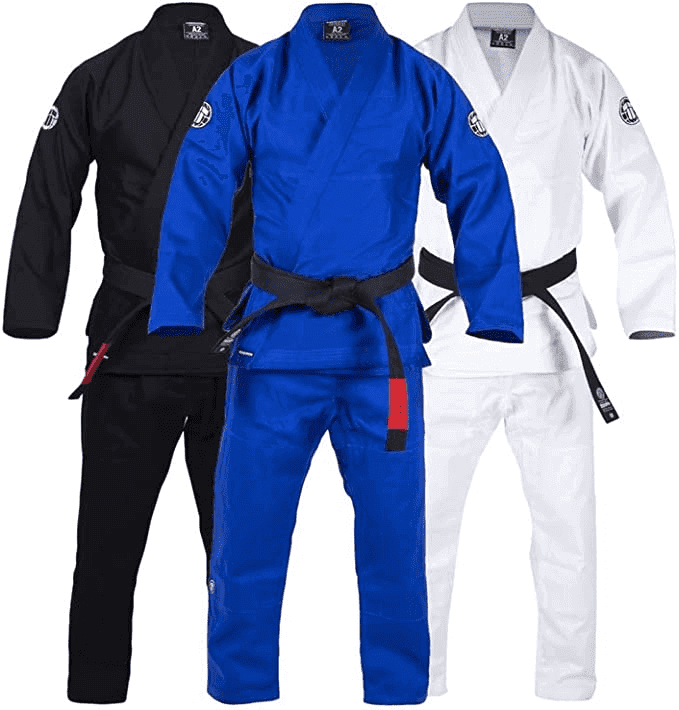
Top 5 BJJ Gis on Amazon (Honest Picks)
The best BJJ gis you can buy on Amazon: Vector, Elite Sports, Sanabul, Tatami Initial and Venum Contender. Specs, fit, price and who each one is best for.
Hayabusa Rashguard Review: Long-Term Use for BJJ
Honest long-term review of the Hayabusa rashguard for BJJ: build quality, fit, durability over a year, washing routine, pros and cons, and who it suits.
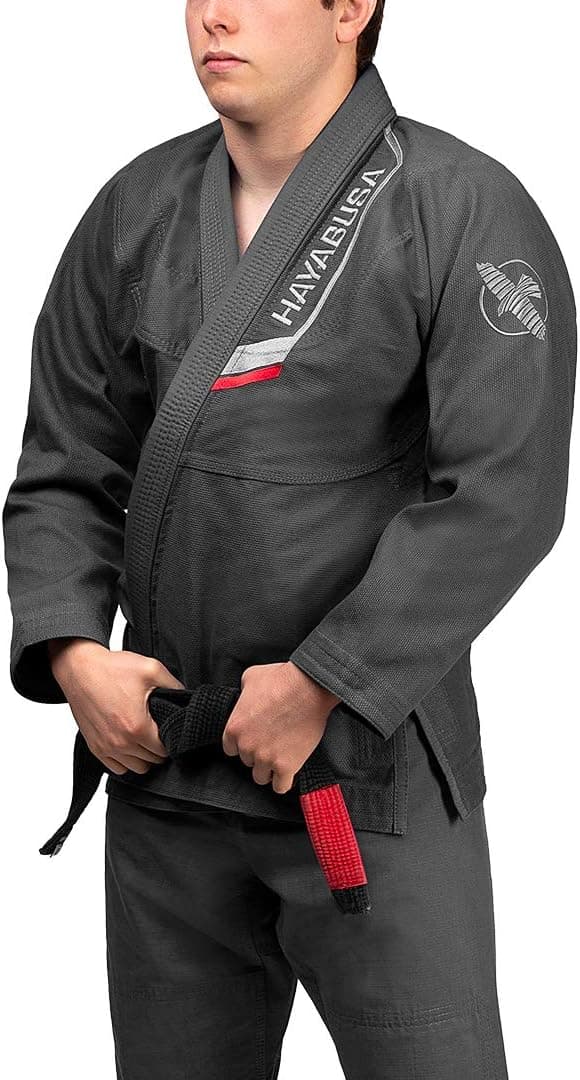
Hayabusa Ultra-Lightweight Pearlweave Gi Review
Honest long-term review of the Hayabusa Ultra-Lightweight Pearlweave BJJ gi: 350 GSM pearl weave jacket, 8oz ripstop pants, fit, durability, washing routine and verdict.