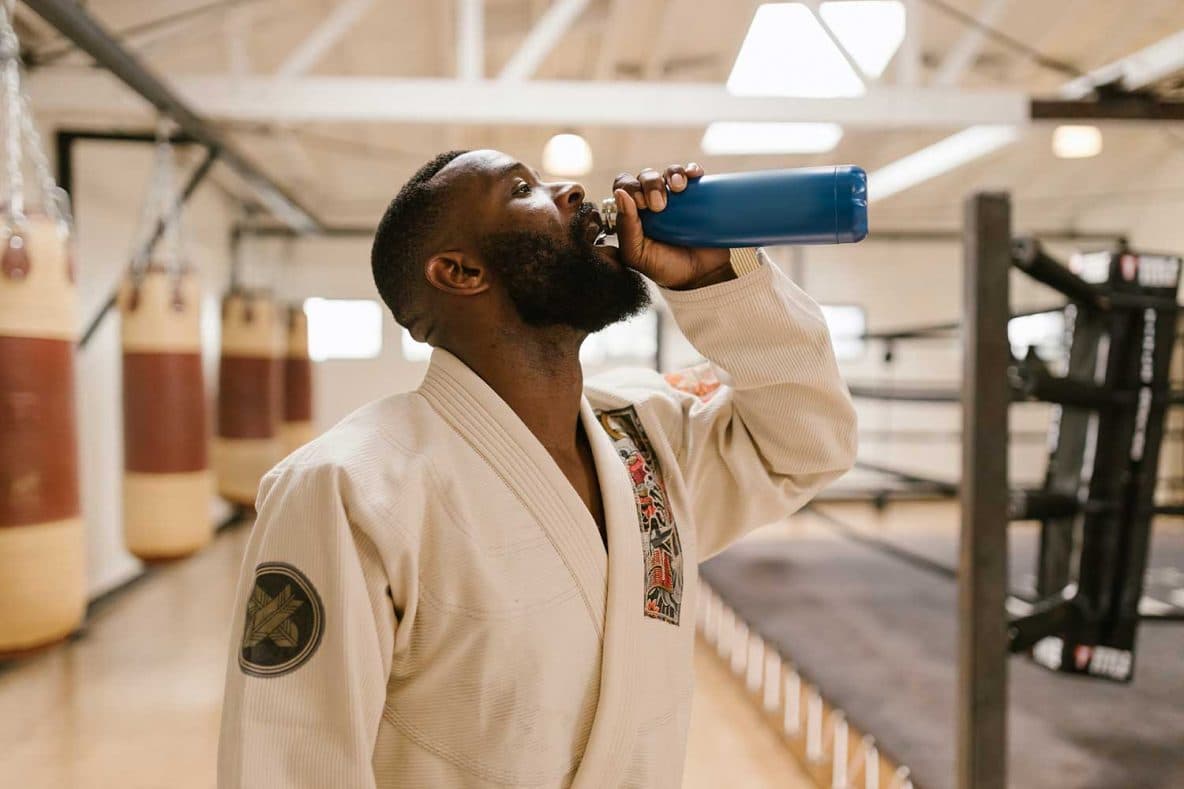
BJJ Gear You Need: The Beginner's Complete Kit Guide
Everything you need to start BJJ: gi, rashguard, shorts, mouthguard, ear guards, tape and water bottle. What to buy, what each item costs, and the best brands.
Walking into your first BJJ class with the right gear makes the difference between an awkward start and a smooth one. The good news: BJJ is one of the lowest-overhead martial arts to start. Seven essentials cover everything you actually need for the first six months. This is the working checklist with what to buy, what to spend, and which brands hold up.
For a deeper competition-focused version, see our essential BJJ gear guide.
Quick checklist
| Item | Approx. cost | When you need it |
|---|---|---|
| Gi | $50 to $200 | Week 1 |
| Rashguard (long-sleeve) | $20 to $70 | Week 1 |
| Mouthguard | $13 to $25 | Week 1 |
| Fight shorts / grappling shorts | $20 to $80 | Within first month (no-gi) |
| Finger tape | $5 per roll | First 3 months |
| Ear guards | $10 to $50 | Optional (after rolling regularly) |
| Water bottle | $10 to $30 | Week 1 |
| Total starter kit | $110 to $500 |
Most beginner academies will loan a gi for your trial class, so you do not need to buy anything before deciding whether you want to commit.
1. The gi: your most-used piece of gear
The gi is the traditional BJJ uniform: a heavy cotton jacket and pants worn during gi training. You will spend more time in it than any other piece of kit.
What to look for:
- Pre-shrunk fabric so it does not change size after the first hot wash
- Pearl weave construction at 350 to 550 GSM for the jacket
- Reinforced seams at the collar, armpits and skirt
- IBJJF approval if you plan to compete
Best picks across budgets:
- Budget: Sanabul Essentials, around $60 to $80
- Mid-tier: Venum Contender 2.0, around $60 to $80, IBJJF legal
- Lightweight: Hayabusa Ultra-Lightweight Pearlweave, around $130
- Premium: Kingz Nano 2.0 100% Cotton, around $130 to $180
For more, see our best BJJ gis round-up, the A to Z list of BJJ gi brands, and the top 5 on Amazon. For care, see our gi washing guide.
2. Rashguard: skin protection and hygiene
A rashguard is a tight-fitting compression shirt worn under the gi (and alone for no-gi). It protects against mat burn, skin infections, and reduces the moisture that breeds bacteria.
What to look for:
- Polyester-spandex blend (around 80/20)
- Flat-lock stitching at the seams to prevent chafing
- Sublimation print (not screen print, which cracks within months)
- Modern competition cut
Best picks:
- Premium: Hayabusa long-sleeve
- Mid-tier: Tatami Fightwear long-sleeve
- Budget / ranked: Sanabul Essentials ranked rashguard
For the full guide, see best BJJ rashguards.
3. Fight shorts / grappling shorts
For no-gi training, regular athletic shorts will not cut it. You need shorts designed for grappling:
- No pockets (or sealed pockets that cannot snag)
- Flat waistband with internal drawstring
- Cut that allows full hip and knee range for guard work
- Reinforced stitching that survives mat friction
Solid pick: Gold BJJ Pacific fight shorts. See our Gold BJJ Pacific fight shorts review for the long-form take. Venum, Tatami and Hayabusa also make decent grappling shorts.
4. Mouthguard
A stray knee or elbow can cost you a tooth. A mouthguard is the cheapest piece of insurance in your bag.
Best picks:
- Best for grappling: Venum Challenger, $13 to $20. Low profile, big breathing channel.
- Best overall: Shock Doctor Gel Max Convertible, around $20.
For the full guide and the moulding protocol (the most-common mistake: biting too hard the first time), see best BJJ mouthguards.
5. Finger tape
BJJ destroys fingers. Tape protects against sprains, supports your grip on the gi, and stabilises minor injuries so you can keep training.
What to look for:
- 0.3 to 0.5 inch wide
- Cotton or cotton-synthetic blend
- Hypoallergenic adhesive
- Serrated edges for tearing by hand
A multi-pack of BJJ-specific finger tape lasts a few months for the average regular trainer. For the full guide on how to wrap and how to remove without ripping skin, see our BJJ finger tape guide.
6. Ear guards (optional)
Cauliflower ear is the BJJ trademark injury. Repeated friction and trauma to the ear causes the cartilage to swell and harden permanently. Ear guards prevent it.
The honest take:
- Most hobbyists do not wear them. The look is uncool to most BJJ practitioners and they reduce hearing during training.
- Most BJJ practitioners eventually get some level of cauliflower ear and either accept it or get it drained occasionally.
- If you care about your ears, wear guards. There is no downside other than appearance and hearing.
Brands: Cliff Keen, Matman, ASICS, all from wrestling backgrounds.
7. Water bottle
Underrated but essential. BJJ sessions are long and you will sweat heavily. Bring at least 500 ml of water per session, more if you train in a hot gym or in summer.
What to look for:
- Durable construction (Nalgene-style polymer or stainless steel)
- Wide-mouth opening for easy refilling
- Insulated if you train in the heat
- 750 ml to 1 litre capacity
Brands: Nalgene, Camelbak, Hydroflask. Cost is $10 to $30 for the long-lasting options.
What you do not need for the first six months
Things you can skip until you know you are sticking with BJJ:
- Multiple gis. One is enough for the first three months unless you train more than three times a week.
- A grappling dummy. Useful for high-volume drillers but not essential.
- Knee and elbow pads. Most BJJ practitioners do not wear them. Useful if you have specific joint issues.
- A premium gi. Save the $200+ purchase for after you have committed.
- A BJJ-specific gym bag. A regular sports bag works fine until you have multiple wet gis to manage.
- Supplements and recovery gear. Train consistently for six months first, then optimise.
Total cost breakdown
A working starter kit budget:
- Bare minimum (gi, rashguard, mouthguard, shorts): $110 to $200
- Recommended starter kit (all 7 essentials): $150 to $300
- Premium starter kit: $400 to $500+
Most beginners overspend on premium gear before they need it. The realistic rule: start mid-tier and only upgrade specific items once you find them limiting.
Where to buy
- Amazon for convenience, budget options, mid-tier brands (Venum, Sanabul, Vector, Elite Sports, Tatami)
- Brand websites for premium (Hayabusa, Kingz, Tatami premium lines, Origin USA)
- Your academy's pro shop for team-specific gear and supporting your gym
For specific picks, see our top 5 BJJ gis on Amazon and the A to Z BJJ gi brands guide.
Frequently asked questions
What gear do I need for my first BJJ class? Most academies loan a gi for trial classes. For ongoing training: a gi, a rashguard, a mouthguard, shorts (for no-gi) and a water bottle. Total cost around $150 to $250.
Do I need to buy a gi before my first class? No. Most academies provide a loaner gi for trial classes. Buy your own once you commit.
What is a rashguard and do I need one? A rashguard is a tight compression shirt worn under the gi (or alone for no-gi). Most academies require one for hygiene reasons. Yes, you need one.
Why do BJJ practitioners wear shorts? Shorts are for no-gi training. They have no pockets, durable fabric, and a cut that allows full hip and knee range for guard work. Regular athletic shorts have pockets that can snag and break.
How much does a BJJ gi cost? $50 to $200 depending on brand and quality. Most beginners spend $60 to $100 on their first gi.
Do I need ear guards for BJJ? Optional. They prevent cauliflower ear but reduce hearing. Most BJJ hobbyists do not wear them. Most also eventually develop some cauliflower ear.
What is the best BJJ gi brand for beginners? Sanabul Essentials for budget, Venum Contender 2.0 for mid-tier. Both pre-shrunk, IBJJF legal, durable.
Can I use any mouthguard for BJJ? A boil-and-bite sports mouthguard works. BJJ-specific options (Venum Challenger, Shock Doctor Gel Max) have lower profiles and bigger breathing channels for long training sessions.
Do I need a separate gi for competition? Not at first. A competition-legal gi (IBJJF approved) can also be your daily training gi. Once you start competing seriously, you may want one dedicated competition gi kept fresh.
How much should I budget for BJJ gear in my first year? $200 to $500 total covers a starter kit plus a second gi and rashguard as you increase training volume.
The bottom line
BJJ gear is simple. Seven essentials, all available on Amazon or directly from major brands, total $150 to $300 for a solid starter kit. Resist the urge to overspend on premium gear before you know you are committed. Buy mid-tier reliably, train consistently for six months, and then upgrade based on what you actually need.
For deeper buying guides, see our best BJJ gis, best BJJ rashguards, best BJJ mouthguards, BJJ finger tape, and BJJ gym bag pages. For more on the sport itself, see our BJJ moves glossary and BJJ belt system.
Last updated May 17, 2026
Filed under Gear Reviews
// Keep going
More from Gear Reviews
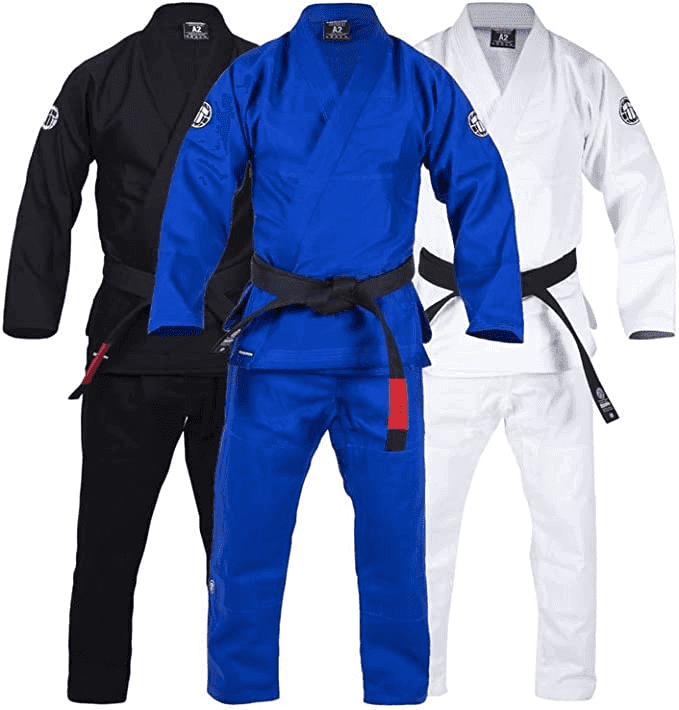
Top 5 BJJ Gis on Amazon (Honest Picks)
The best BJJ gis you can buy on Amazon: Vector, Elite Sports, Sanabul, Tatami Initial and Venum Contender. Specs, fit, price and who each one is best for.
Hayabusa Rashguard Review: Long-Term Use for BJJ
Honest long-term review of the Hayabusa rashguard for BJJ: build quality, fit, durability over a year, washing routine, pros and cons, and who it suits.
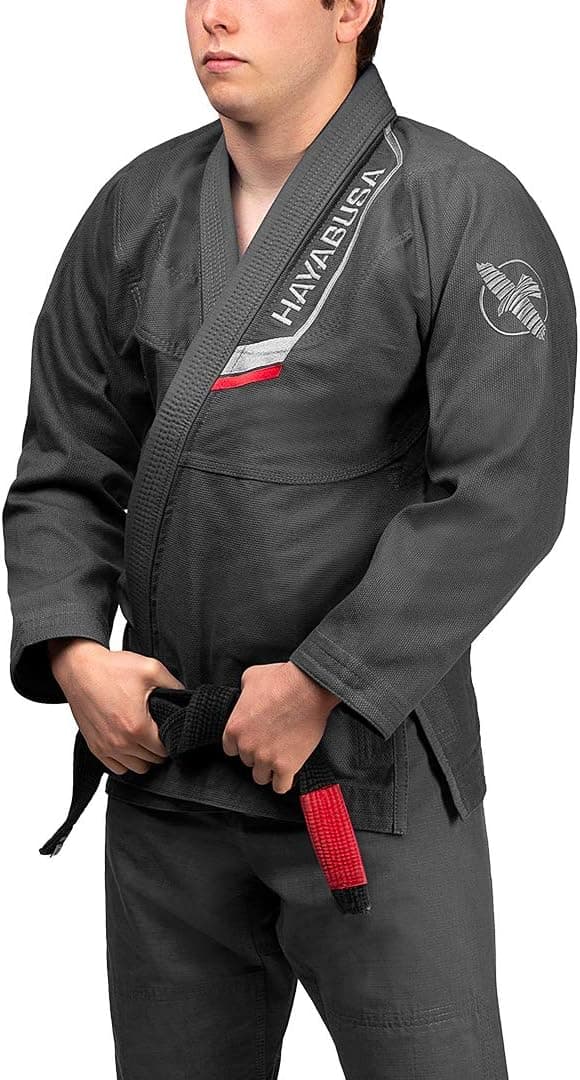
Hayabusa Ultra-Lightweight Pearlweave Gi Review
Honest long-term review of the Hayabusa Ultra-Lightweight Pearlweave BJJ gi: 350 GSM pearl weave jacket, 8oz ripstop pants, fit, durability, washing routine and verdict.