Is Wrestling Taking Over Jiu-Jitsu? Why Every Grappler Now Has To Learn To Wrestle
Guard pulling is dying at the top level and wrestlers are running the no-gi scene. Everyone in my gym is suddenly drilling double legs. Here is my honest take on whether wrestling is taking over jiu-jitsu, and what it actually means for the rest of us who started on our backs.
There was a stretch of years where the smart play in a no-gi match was to sit down. You pulled guard, you played your open guard, you swept or you hunted the submission from your back, and the takedown was something you politely skipped. The takedown was risky, it gassed you out, and the points were not worth the exposure. Sitting guard was not cowardice. It was the meta.
That meta is dead at the top, and it has been dying for a while. Watch any high-level no-gi card now and the first thirty seconds tell the whole story. Both athletes are upright, hand-fighting, level-changing, snapping heads down and chaining takedown attempts like a college dual meet broke out in the middle of a jiu-jitsu event. The guys winning are the guys who can wrestle. So let me actually answer the question everyone in my gym is arguing about between rounds: is wrestling taking over jiu-jitsu? My honest answer is yes, mostly, and it is the best thing that has happened to the sport in a decade.
What people actually mean when they say wrestling is taking over
There are two versions of this claim and they get blended together, so let me separate them the way I did in the best no-gi grappler debate.
The weak version is "wrestlers are beating jiu-jitsu guys." That one is half true and not very interesting. Wrestlers have always done well in grappling when they crossed over, because elite wrestling builds a base of pressure, conditioning and bloody-mindedness that you cannot fake. Nothing new there.
The strong version is the one that matters. It is that the actual game of competitive jiu-jitsu has reorganised itself around the standing exchange. The takedown is no longer the awkward bit you survive before the real grappling starts. For a growing number of the best matches, the takedown is the real grappling. Whoever wins the scramble on the feet wins the position, the points, and very often the match, before a single guard gets played. That is not wrestlers visiting our sport. That is our sport quietly becoming a wrestling-first sport with submissions bolted on.
I covered the wider shifts in the state of BJJ field report, but this one deserves its own argument, because it cuts deeper than a passing trend. It changes what "good at jiu-jitsu" even means.
Why it happened, and it is not one reason
People want a single villain for this. There isn't one. A few things stacked up at once.
The first is points and rule sets. The IBJJF and the major no-gi promotions reward takedowns and penalise stalling far more aggressively than the guard-pulling era did. The second you make standing engagement worth real points and make sitting down cost you, you have told every smart competitor exactly where to spend their training hours. Athletes are rational. They optimise for the rule set in front of them, every time.
The second is the leg lock takeover. This one is less obvious but I think it is the biggest piece. Once heel hooks became the default finishing system in no-gi, sitting in open guard with your legs extended toward a high-level leg locker became genuinely dangerous. The bottom position got scarier. Pulling guard against someone who lives for your exposed heels is a great way to get your knee taken apart. So the rational counter was to stop offering the legs at all, stay on top, and the cleanest way to start on top is to win the takedown. The leg lock revolution did not just change submissions. It quietly killed the safety of guard pulling and pushed everyone back to the feet.
The third is that the best system-builders in the sport told everyone to wrestle. When the most respected coaching minds, the Danaher lineage and the New Wave production line among them, openly built wrestling and front-headlock chains into the core of their no-gi systems, the message reached every serious gym within a year. The room that produced the last era's kingpin was drilling takedowns and snap-downs as a foundation, not an afterthought. People copy what wins.
Where I think the takeover is real, and where it is overblown
I want to be honest about the limits of my own argument, because the internet loves to take "wrestling is taking over" and run it off a cliff into "jiu-jitsu is dead."
The takeover is real and close to total at the elite no-gi level. If you want to medal at ADCC or hang in the pro no-gi circuit today, a weak standing game is a death sentence. You will get planted, ridden, and out-positioned by people who are no better than you off their back but vastly better on their feet. The 2026 ADCC bracket is going to be decided in the wrestling exchanges as much as in any submission scramble, and I will happily stake that prediction.
The takeover is overblown for the gi and for the rest of us. In the gi, the grips change the math completely. Collar and sleeve control makes guard pulling viable again, takedowns are slower and more controlled, and the classic positional game is alive and well. And at the hobbyist level, where most of us actually live, "everyone needs to wrestle" gets oversold into "your guard is worthless," which is nonsense. A good guard is still one of the most useful things a normal-sized human can own, especially for self-defence, where the comparison I laid out in BJJ vs wrestling still holds up. The takeover is a statement about the pointy end of the sport. It is not a eulogy for the bottom position.
The honest downside nobody wants to say out loud
Here is the part that gets me disagreement. I think the wrestling-first era is better jiu-jitsu to watch and worse jiu-jitsu to start.
Better to watch is easy. Standing exchanges are dynamic, the scrambles are violent, and matches actually start now instead of opening with ninety seconds of two people sitting on the mat staring at each other's grips. The sport got more exciting the moment the feet mattered.
Worse to start is the uncomfortable bit. Wrestling is brutal on the body and brutal on beginners. It rewards explosive athleticism, youth and a pain tolerance most adult hobbyists signed up specifically to avoid. One of the quiet beauties of old-school jiu-jitsu was that a smaller, older, less athletic person could pull guard, play a smart game, and survive against bigger people. That is the promise that filled the gyms. A no-gi meta that says "win the takedown or lose" hands a chunk of that advantage straight back to the bigger, faster, younger athlete. We should at least be honest that the trade has a cost, and that the cost lands hardest on exactly the people the sport spent decades welcoming.
What this actually means for you on Tuesday night
Enough theory. If you train, here is where I land on what to do about it, and it is not "quit jiu-jitsu and go join a wrestling room."
If you compete in no-gi, you no longer get to skip the standing game. Drill takedowns and, just as importantly, takedown defence and getting back to your feet. You do not need to become a Division I wrestler. You need to not be helpless on the feet, because helpless on the feet is now the same thing as losing. A handful of reliable entries and a solid sprawl will put you ahead of most of the bracket.
If you train mostly gi, relax a little. Your guard still pays rent. Keep building it. Borrow a few wrestling concepts for your takedowns, but you do not need to rebuild your whole game around the feet the way the no-gi crowd does.
If you are brand new, start where you are comfortable and do not let the meta panic you. Learn to be safe off your back first, the way I argued in the year-one guide, and add the standing game once you can survive. The fundamentals in our rolling tips matter more in your first year than any meta debate happening three weight classes and ten skill levels above you.
Where I land
So, is wrestling taking over jiu-jitsu? At the top, in no-gi, it already has, and I am genuinely glad. The sport got faster, harder and more honest the moment you could no longer hide on your back. The era of the Gordon Ryan systemised no-gi machine made the submission game terrifyingly good, and the wrestling-first shift is the natural next step, where you have to earn the right to play that game in the first place by winning the exchange that starts the match.
But "taking over" is not "replacing." Jiu-jitsu is not turning into wrestling. It is absorbing wrestling, the way it absorbed leg locks, the way it absorbed judo a century ago. That is the actual story of this art, over and over. It eats whatever beats it and comes back bigger. The guys who treat that as a threat are the same guys who said heel hooks would ruin everything, and the sport just got better instead.
My honest take, in writing, so you can hold me to it: the guard pull is not dead, but at the highest level it now has to be earned rather than given. Learn to wrestle, or learn to lose the first thirty seconds. I would rather learn to wrestle.
Filed under Techniques
// Keep going
More from Techniques
Are Heel Hooks Ruining Jiu-Jitsu? My Honest Take On The Leg Lock Takeover
Leg locks went from dirty trick to the most important skill set in grappling in about a decade. Heel hooks now decide title matches and blow out knees in equal measure. Here is what the leg lock takeover actually did to the sport, and where I land on whether it ruined anything.
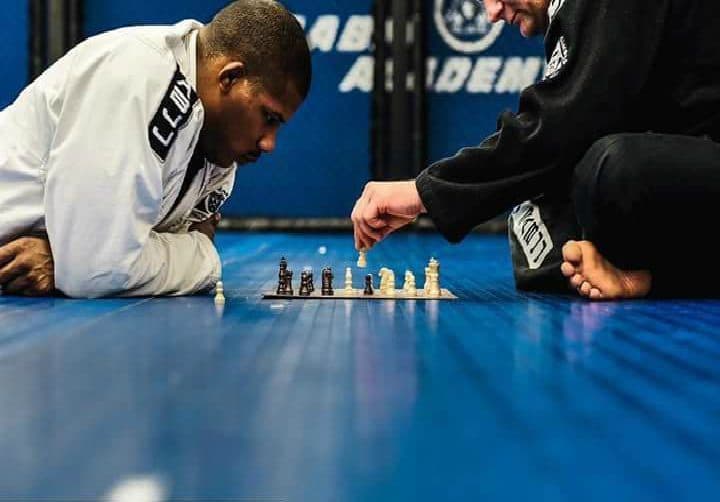
BJJ Mental and Physical Conditioning: Building the Complete Grappler
BJJ strength and conditioning is only half the job. The mental side — focus, composure, pattern recognition under pressure — is what separates grapplers who plateau from those who keep climbing.
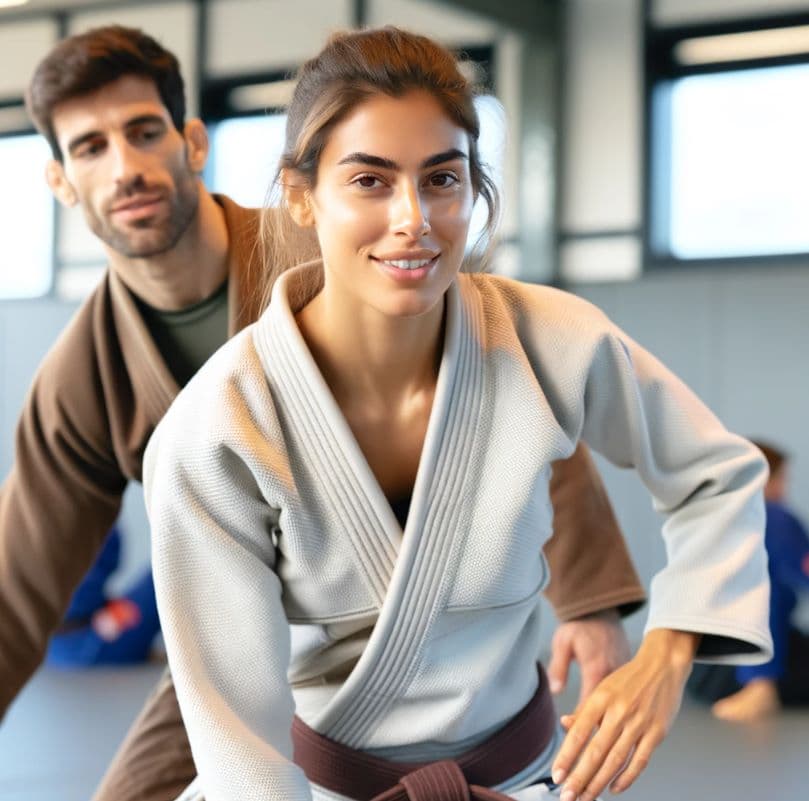
Rolling with Men in BJJ: A Practical Guide for Women
Practical guide for women rolling with male training partners in BJJ: how to approach it, what to expect, when to speak up, and how to use the size difference to your advantage.